


June's Journey: Hidden Objects
4.498.89K Reviews
App Specs
- Version
- 4.8.2
- Updated On
- License
- Free
- Downloads
- 50,000,000+
- Developer
- Wooga
- Categories
- Adventure
- Platform
- Android, iOS
Screenshots
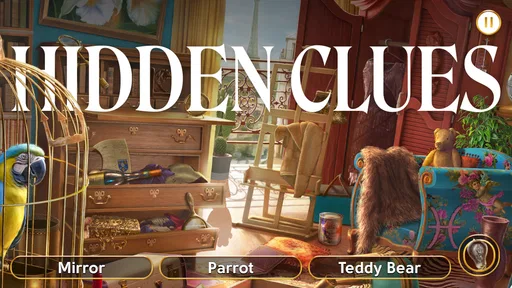
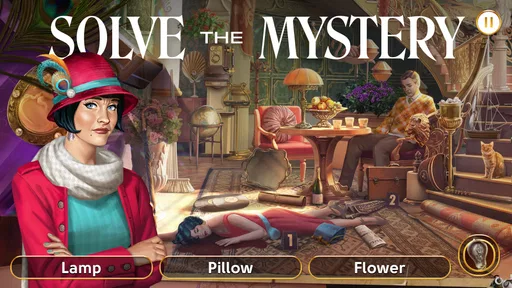

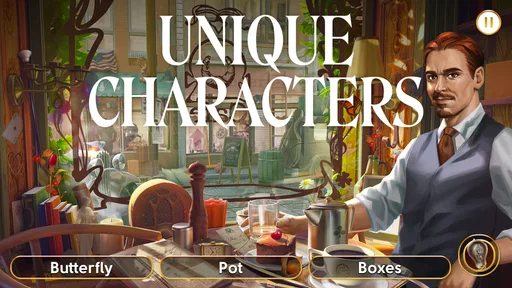

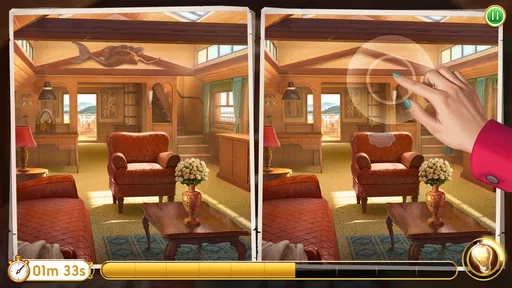
 Analysis by AppCompare
I like a mystery game best when a small action gives me a reason to make one more choice: inspect a scene, find a clue, earn a little progress, then decide whether to carry on or put the phone down. That is the appeal I look for in June's Journey: Wicked Mystery. It is an adventure game from Wooga built around hidden-object searching and a continuing story, with a gentler pace than action-heavy mobile games. I would recommend it to someone who enjoys looking closely and taking a mystery a chapter at a time, rather than someone seeking fast reflex challenges.
What the first few minutes ask of you
The basic action is easy to understand: enter a scene, scan its crowded details, and locate the objects requested. The pleasure is less about learning complicated controls and more about training your eye. I tend to sweep a scene in sections instead of jumping randomly from one corner to another; that simple habit keeps me from revisiting the same patch of screen and makes the search feel more deliberate. When an item is hidden in a busy area, pausing to compare shapes and colors is usually more useful than tapping quickly.
The period setting gives the scenes a distinct visual personality. I enjoy having a reason to inspect their furniture, decorations, and small background details, though the same visual density can become tiring if I play for too long. The game is best approached as a focused search, not as something to rush through while distracted. If I am tired or multitasking, I am more likely to overlook obvious objects and turn a relaxing puzzle into a frustrating one.
How the mystery loop earns another session
In broad terms, a round follows a satisfying pattern: I search, the game responds to what I find, and progress gives me a reason to continue into the next piece of the adventure. The story supplies a longer-term thread, while the individual scenes give each short session a clear task. That combination works well when I have a few spare minutes; I can complete a focused bit of searching without needing to commit to a long, uninterrupted play session.
Feedback, challenge, and pacing
The hidden-object scenes ask for attention rather than speed alone. A successful find creates a small moment of certainty—there it is—and that steady feedback is the core pleasure for me. Difficulty depends on how carefully I look and how familiar I have become with the visual style, so a scene can feel fair without being effortless. The useful trade-off is that progress comes from observation, but repeated searching can feel samey if I want a new kind of challenge every few minutes.
The narrative helps give those searches a purpose beyond clearing a list. I like having the next development in the mystery to look forward to, but I would not choose this as my main game if I wanted a story shaped by frequent player decisions or a rapid sequence of plot twists. Its appeal is the gradual reveal, with puzzle time and story time supporting each other rather than competing for attention.
Rewards and the reason to return
Finding objects and making progress gives the session a sense of completion, while the broader adventure makes it tempting to come back later. I find that a good stopping point is after finishing a scene or reaching a natural pause in the story; it is more satisfying than leaving halfway through a search. If I have only a short break, I can treat a scene as a small, self-contained task, then return when I am ready to focus again.
Worth Reading Before You Choose

Baby Panda World Brings Quick Play to Modern Phones, but Its Game Library Feels Busy

ESPN’s Live Game View Makes Following Close Games Easier

QuizzLand Review: A Good Fit for Short Trivia Breaks, Not Every Player

Basketball Stars: Multiplayer Is Fast, but Can It Recover When Matches Go Wrong?

WEBTOON Turns Phone Updates Into a Better Reading Routine

Link to Windows Runs on Shared Habits, Not Social Feeds
The game is free to download, and its Teen age rating is worth noting for families choosing a game to share or allow on a device. Optional in-app purchases range from $0.99 to $199.99 per item, so I would approach spending deliberately rather than treating every offer as part of the puzzle. A sensible personal rule is to enjoy the ordinary search loop first and only consider a purchase if I understand what I am paying for and genuinely want it. Anyone who prefers a strictly paid game with no in-app purchase prompts may be more comfortable with a different option.
Who will enjoy this pace
I think the strongest fit is someone who likes visual puzzles, gentle narrative, and a routine they can pick up in short bursts. It can suit a quiet commute, a waiting room, or a relaxed evening when I want something more engaging than scrolling but less demanding than a competitive action game. For a realistic everyday example, I might open it during a tea break, finish one scene while giving it my attention, then stop rather than trying to squeeze in a long session between other tasks.
It is less suited to players who need constant novelty, precise platforming, or direct control over a branching plot. Compared with match-three games, its satisfaction comes from visual recognition rather than building combinations; compared with escape-room puzzles, it is less about manipulating a single elaborate mechanism and more about scanning a scene for details. If I want a fast score chase, an action adventure, or a puzzle that demands step-by-step logic, I would choose another genre for that mood.
Practical choices before settling in
One useful approach is to play with enough attention to remember the scene’s visual language, but not to force a marathon. When I notice myself tapping without really looking, that is a cue to pause; continuing in that state makes the search feel repetitive rather than rewarding. I also prefer to treat the story as a reason to return, not as pressure to keep playing. This keeps the game’s gradual rhythm pleasant and makes it easier to stop at a satisfying point.
For anyone wondering whether it is approachable, the central task is straightforward, but careful searching still gives it substance. For anyone wondering whether it works in short visits, the scene-based structure makes brief sessions a natural fit, provided there is enough time to focus on one search. And if the question is whether spending is necessary to enjoy the basic appeal, I would first try the free game at its ordinary pace and decide from experience rather than assuming purchases are required.
Intrigue from the Get-Go
From the moment I fired up June's Journey, I was hooked. Set in the glamorous 1920s, you play as June Parker, diving into a world full of secrets and hidden objects. The graphics are to die for—think Art Deco meets mystery novel vibes. I found myself lost in the beautifully crafted scenes, each packed with clues waiting to be uncovered.
Gameplay That Keeps You Guessing
One of my favorite aspects of the game is its interactive storytelling. You’re not just solving puzzles; you’re uncovering a gripping tale. Each level is a new chapter, and I couldn’t wait to see what twists awaited me next. The hidden object scenes are challenging yet fair, making it a satisfying experience when you finally spot that elusive item.
The game also throws in some delightful mini-games and puzzles to keep things fresh. I particularly enjoyed the memory games and garden design challenges. It’s like a little mental workout combined with a creativity boost!
Social Features and More
What’s a mystery without a bit of competition? June's Journey: Wicked Mystery offers multiplayer options, where you can team up with friends or compete against other players worldwide. I loved trying to outsmart my pals and climb the leaderboard. Plus, the community is super friendly, which makes it even more fun!
Another cool feature is the ability to decorate your own island. As you progress, you earn rewards that help you transform your island into a stunning paradise. It’s a neat way to unwind in between solving mysteries.
Wooga’s adventure has a 4.5 average from around 1.2 million ratings, and it has been installed over 50 million times. It is free to play, runs on Android 6.0 or later, and is currently at version 3.51.3. The number of ratings suggests that it has found a broad audience, though popularity alone cannot tell me whether its patient search-and-story rhythm will suit you. I would use the first few sessions to judge that for yourself: do you enjoy inspecting each scene, or do you start wishing the game would move on faster?
Where it sits among other mobile adventures
Hidden-object games often share the same basic promise, but the balance between searching and everything around it makes a difference. Here, the mystery gives the object hunt continuity, while the island-decorating side offers a calmer activity between searches. That makes it a better fit for someone who likes alternating focused attention with a slower creative break than for a player who wants every minute to be a new puzzle mechanic. In comparison, a conventional narrative adventure may offer more direct interaction with the world, while a pure spot-the-object title may get to the search faster. I would choose this one when I want both a recurring story and a familiar scene-based routine.
The island element also changes how I think about rewards. Rather than treating every reward as a score to chase, I can see it as a way to make visible progress in a place I am shaping over time. That is a pleasant second motivation, but it will matter less to players who have no interest in decorating. If that sounds like you, the mystery and scene searches need to be enjoyable on their own; the decorative side is a bonus, not a substitute for liking the core activity.
Keeping the experience enjoyable
My most practical tip is to avoid turning every scene into a speed test. I first scan for distinctive silhouettes or colors, then check the busier areas for objects that blend into the background. If I get stuck, I briefly look away and return with fresh eyes instead of tapping at random. This is a small change, but it makes the search feel more like solving a visual puzzle and less like guessing. It also helps me notice whether I am genuinely engaged or simply trying to clear a task out of habit.
Another useful boundary is to separate curiosity from urgency. A continuing story can make me want to see what happens next, and rewards can make progress feel tangible, but I do not need to stretch a short break into a long session. I stop after a completed scene or a natural story pause, then let the next visit be its own decision. That reset is part of why the loop works: the next session offers a fresh search, while the larger mystery remains a reason to return without requiring me to remember a complicated chain of actions.
People deciding whether to install it may also wonder about age suitability and device fit. It is rated Teen, and the Android minimum is 6.0; those are useful checks before choosing it for a younger player or an older handset. The game’s free entry makes trying its central style straightforward, but the in-app purchase range is broad enough that I would keep purchase settings and expectations in mind, especially on a shared device. I would not treat the highest-priced item as a sensible default simply because it appears in the shop.
When I would choose something else
I would pass on this game if I were looking for a compact puzzle with a definite finish, a highly tactical challenge, or a story where my decisions constantly change what happens. Its longer-running mystery and repeatable scene searches are designed for returning, not for a single tightly bounded evening. I would also skip it when I wanted a game that rewards quick reactions; close observation is the draw, and that can feel slow if I am in an impatient mood.
On the other hand, it is an easy recommendation for a friend who enjoys cozy mysteries and likes to notice details. The 1920s atmosphere, hidden-object scenes, and island decoration give different reasons to settle in, while the chapter-like progression supplies a thread between visits. I would describe the best session as a small, attentive break rather than a major gaming event: search carefully, enjoy the payoff of spotting what you missed, and stop when the moment feels complete.
Final Thoughts
At the end of the day, June's Journey: Wicked Mystery is a gem for anyone who loves a good mystery wrapped in stunning visuals and engaging gameplay. It’s been a perfect blend of challenge and relaxation for me, and I highly recommend giving it a whirl if you’re looking to dive into a captivating adventure. So go ahead, put on your detective hat, and see if you can uncover all the secrets!
Pros
- Engaging storyline with captivating twists.
- High-quality graphics and detailed scenes.
- Regular updates with new content.
- Interactive community events enhance play.
- Challenging puzzles keep players invested.
Cons
- Requires consistent internet connection.
- In-app purchases can be pricey.
- Energy system limits playtime.
- Some puzzles can be repetitive.
- Loading times can be lengthy.
FAQs for June's Journey: Hidden Objects
What is the main objective of June's Journey: Wicked Mystery?
June's Journey: Wicked Mystery is a captivating hidden object game where players follow the protagonist, June, as she solves a series of intriguing mysteries. The game is set in the 1920s, and players must use their keen sense of observation to find clues, solve puzzles, and uncover secrets to progress through the storyline.
Are there any in-app purchases in June's Journey: Wicked Mystery?
Yes, June's Journey: Wicked Mystery offers in-app purchases. Players can buy various items such as energy packs, boosters, and decorations to enhance their gaming experience. While these purchases can help progress faster, the game can still be enjoyed fully without spending real money.
What platforms is June's Journey: Wicked Mystery available on?
June's Journey: Wicked Mystery is available on both Android and iOS platforms. Players can download it from the Google Play Store for Android devices or the Apple App Store for iOS devices. It offers a seamless experience across different devices and is free to download.
Does June's Journey: Wicked Mystery require an internet connection?
Yes, an internet connection is required to play June's Journey: Wicked Mystery. The game frequently updates with new content, events, and features, which necessitates being connected to the internet. Additionally, this connection allows players to compete with friends and participate in global challenges.
How does energy work in June's Journey: Wicked Mystery?
In June's Journey: Wicked Mystery, energy is a crucial resource used to play hidden object scenes. Each scene costs a certain amount of energy, which gradually replenishes over time. Players can also earn energy by leveling up, completing tasks, or purchasing it through in-app transactions to continue playing without waiting.


